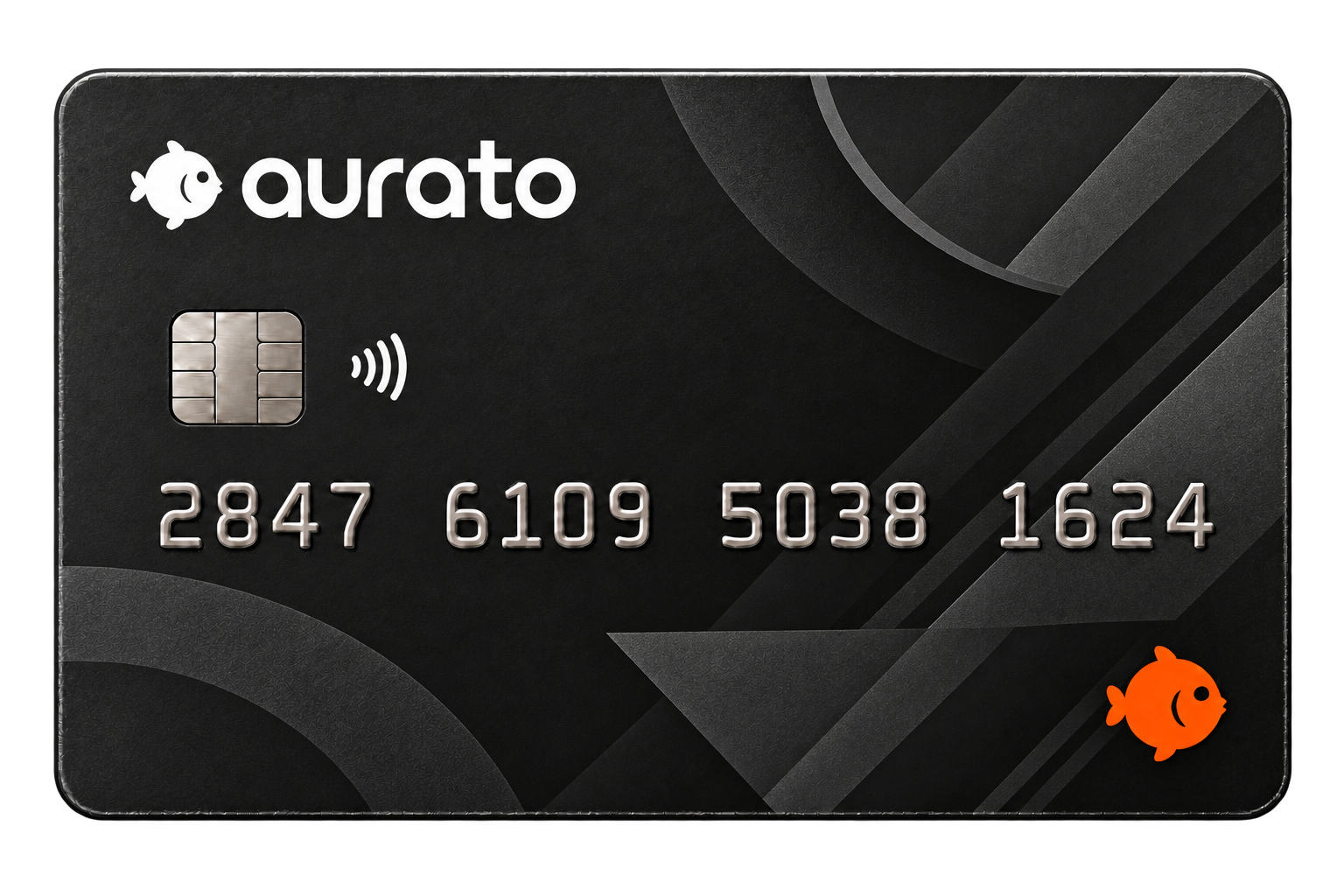
A payment card number, primary account number (PAN), or simply a card number, is the card identifier found on payment cards, such as credit cards and debit cards, as well as stored-value cards, gift cards and other similar cards. Payment card numbers range from 10 to 19 digits. The leading six or eight digits are the Issuer Identification Number (IIN), sometimes referred to as the Bank Identification Number (BIN). The remaining numbers, except the last digit, are the individual account identification number. The last digit is the Luhn check digit. The card number is typically embossed on the front of a payment card, and is encoded on the magnetic stripe and chip, but may also be imprinted on the back of the card.
Card numbers are allocated in accordance with ISO/IEC 7812.
BIN / IINFirst 6-8 digits identify the issuer
MIIFirst digit, part of BIN, identifies the industry
Account identifierNext 7-9 digits identify the account
Check digitFinal digit used for a checksum
In some circumstances, the IIN/BIN may not be licensed directly from the issuing network (such as Visa, Mastercard). Obtaining an IIN/BIN number can be costly, time-consuming and demand intensive operational burdens on in-house regulatory and compliance teams. For this reason, some new card programs may use a 'BIN sponsor', in which case the IIN/BIN number is effectively sub-licensed from a scheme regulated entity. This is known as BIN sponsorship, and is a popular way for financial institutions to fast-track access to market.
From 6-digit to 8-digit BINs: ISO published the eight-digit IIN revision in 2017 to expand the available identifier supply. In April 2022, Visa required ecosystem support and moved new issuing-BIN assignments to eight digits; existing six-digit portfolios could remain in use, so payment systems and lookup services need to support both lengths.
Major Industry Identifier
The first digit gives a broad issuer category, not a bank, country or card product
MII
Issuer category
0
ISO/TC 68 and other assignments
1
Airlines
2
Airlines, financial and future assignments
3
Travel and entertainment
4–5
Banking and financial
6
Merchandising and financial
7
Petroleum and future assignments
8
Healthcare, telecommunications and other assignments
9
National standards bodies
Common scheme numbers.
Issuing network IIN ranges, active status, card-number length and validation from the supplied reference list
An IIN/BIN identifies the issuer of a card-number range. Network, country and card characteristics are associated with that range, rather than encoded as separate fields in the prefix. Funding and product details can vary between cards sharing a prefix.
What IIN/BIN can indicate
The issuer assigned to the card-number range
The card scheme or network associated with the range
The issuing country associated with the range
Credit, debit, prepaid or charge funding, where classified
The card product or level, where classified
A consumer or commercial designation, where classified
What IIN/BIN cannot determine
Whether an individual card is active or genuine
Whether a card is expired, blocked or stolen
The cardholder’s identity or account details
A balance, credit limit or transaction history
Whether an authorization will be approved
The merchant’s acquirer or processor
BIN FAQ
What is a BIN lookup?
A BIN lookup resolves the leading digits of a payment card number to the best matching public issuer range. It can return the issuing institution, card network, funding type, product or level, country, currency and supporting data-quality information.
Is a BIN checker different from a BIN lookup?
Usually not. Both query the same leading card-number prefix. ‘Checker’ emphasizes whether a prefix resolves to a known range; ‘lookup’ emphasizes the issuer and card attributes returned. Aurato handles both jobs in one BIN and IIN lookup instead of presenting them as separate tools.
Is a BIN the same as an IIN?
Yes. Both names refer to the issuer identifier at the start of a card number. Issuer Identification Number (IIN) is the formal ISO term; Bank Identification Number (BIN) is the older and more widely used industry term. Not every issuer is a bank, which is why IIN is more precise.
Is a BIN 6 or 8 digits?
The current ISO/IEC 7812 standard defines an eight-digit IIN, but existing six-digit assignments continue to exist. Aurato accepts 6 to 11 leading digits so it can resolve both legacy assignments and more specific account-range data without treating digits beyond the IIN as part of the IIN itself.
Can a BIN lookup identify the issuing bank?
Often, yes, when the public record contains an issuer assignment. The result identifies the issuer of record, which may differ from the consumer brand printed on a co-branded, fintech or white-label card.
Why can an 8-digit lookup differ from a 6-digit lookup?
A legacy six-digit assignment represents a block of one hundred possible eight-digit IINs. Those more specific ranges can be allocated or used differently, so a longer prefix may resolve to a different issuer, country, funding type or card product than its six-digit parent.
Can this tool validate a card or check its balance?
No. BIN data describes an issuer range, not an individual card or account. It cannot confirm that a card is active, genuine, expired, blocked or stolen, and it cannot reveal a cardholder, balance, credit limit or authorization outcome.
What does ‘no match found’ mean?
It means Aurato could not resolve the submitted prefix to an eligible public record. The prefix may be mistyped, retired, more specific than the available data, absent from current public coverage or subject to display rights. It is not proof that a card is fraudulent.
Is it safe to enter a card number?
Enter only the first 6 to 11 digits. Never enter a full card number, expiry date or security code. Aurato rejects longer input in this lookup and does not store lookup inputs.
What is the difference between an issuer, network and acquirer?
The issuer provides the card or account to the cardholder. The network supplies the payment rails and operating rules. The acquirer serves the merchant. A BIN can indicate the issuer and network, but it does not identify the merchant’s acquirer.
Why does Aurato show quality, provenance and usage rights?
BIN assignments change, sources can disagree and not every record may be republished on the same terms. Aurato exposes confidence, verification, conflicts, sources and usage rights so the result can be evaluated instead of presented as an unexplained fact.
 American Express
 China UnionPay
 Diners Club International
 Discover
 RuPay
 JCB
 LankaPay
 Dankort
 Mir
 Mastercard
 TROY
 Visa
 Verve
 UZCARD
 HUMO
 GPN
 NAPAS